Gambling Awareness for Post-Secondary Students
Navigating independence, recognizing risks, and finding balance during the university and college experience.
Limitless Opportunities & New Challenges
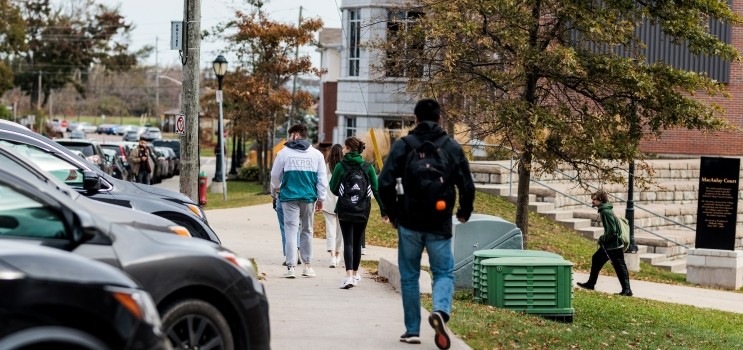
As Summer nights get a bit shorter and the Island air a bit crisper, we all start to feel that back-to-school anticipation and excitement for what lies ahead in the coming months. For many young Islanders that means moving on to University and College to begin an amazing time of growth, learning and self-exploration. This is a chance for youth to spread their wings to a whole new world of limitless opportunities and adventure. It’s also a time for parents and caregivers to see youth take the next steps into adulthood.
Youth who are beginning their post-secondary journey will experience many changes. They may be living in a new place with new people. Their school may be in a new community and not even know where the local coffee shop is. They may be leaving all their friends and family behind. With all the possibilities of experiencing positive life changes, there is also an opportunity for problems to arise, like harms from gambling.
A Growing Concern
Gambling among University/College students is a growing concern, and one that should be talked about openly. With the increase in access and availability of gambling it can become a problem for some. In particular, the rise of mobile sports betting, online gambling, and gaming are more accessible than ever before.
Why do College Students Gamble?
There can be a variety of reasons why University/College students gamble. Transitioning to campus life can bring unexpected pressures.
Stress & Escape
This new life on campus can be a stressful time, with new anxieties and worries. Gambling may seem like an escape from these worries.
Financial Pressure
For some, it may be financial, and can be mistakenly looked at as a way to make money. Many students may have received student loan funding or credit card offers, having easier access to money without the skills to make a budget plan.
Socialization & Peers
Gambling can be seen as a way to socialize. Students may feel peer pressure to “fit in” on a team or peer group. Campuses often sponsor events like casino nights and poker tournaments, which can trigger larger problems for some.
What are the Warning Signs?
Harm from gambling can be easy to hide. It is called the hidden addiction. However, there are warning signs. Specifically in University/College students, warning signs can look like:
What can we do to support students?
Gambling is called the hidden addiction in part because it is often not talked about. Gambling can be very isolating, and people often feel alone. A person may even lie about their gambling habits due to feelings of shame and stigma.
This also prevents a person from seeking appropriate care if and when they need it. Talking about what gambling is, and how it can cause harm for some, can help to break down stigma.
It’s very important to normalize help-seeking to students so they know that reaching out for support is okay. Most importantly, know that help is available.
Where can students and their loved ones find help?
PEI Gambling Support Line
Available 24/7. Confidential support is provided by trained PEI health care professionals, and you can call as often as you like.
Call 1-855-255-4255 →Lowering Risk Strategies
Explore the different sections of this website for help with strategies and other great information.
View Lower Risk Tips →Open Access Counselling
Speak with a mental health or addictions counsellor. No appointment or referral is required. Simply drop in.
View Hours & Locations →PlayWise Tools
PlayWise through Red Shores and ALC.ca offers responsible gambling information and tools like limit setting and self-exclusion.
Need Help or Have Questions?
If they open up, or if you need guidance, professional counsellors are available to talk 24/7 across PEI.